JAI DURGA

Home > Blog Details
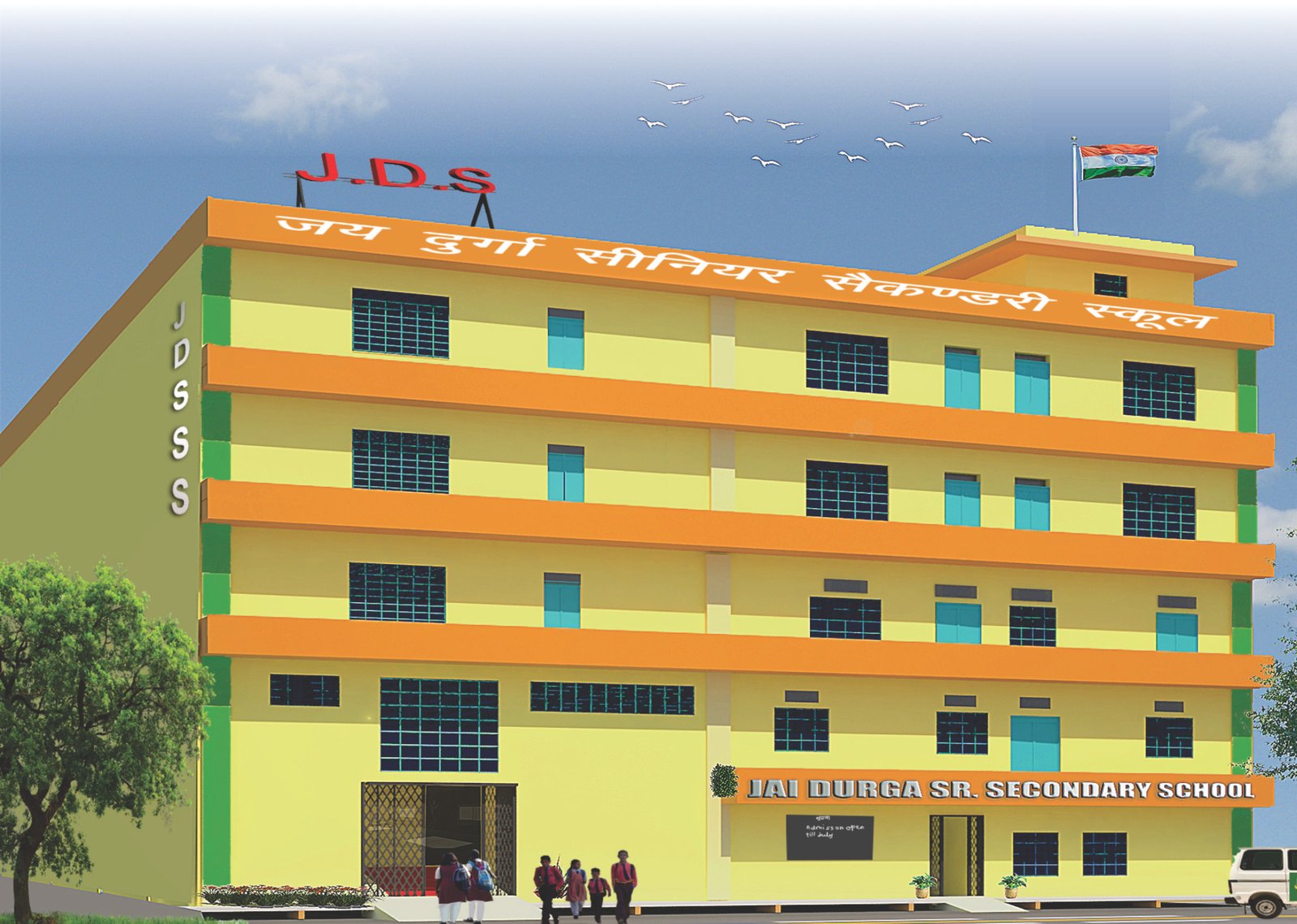
The school learning environment plays a vital role in shaping a child’s academic achievement, emotional well-being, and overall personality development. At Jai Durga School, recognized as the Best School in Jaipur, a trusted Top School in Jaipur, and a leading School in Jaipur, education goes beyond textbooks and exams. We focus on building a positive school culture, a safe learning environment, and strong moral values where students feel confident and motivated.
As a reputed English Medium School in Jaipur located on Amer Road, we emphasize student-centered learning, inclusive education, collaborative activities, smart classes, and modern infrastructure. With experienced faculty and effective use of digital learning tools, we ensure holistic development and prepare students for a successful future.
A good learning environment is based on a positive school culture. Having the respect, acceptance, and encouragement they feel, students become confident and motivated to learn. Kindness, teamwork, and discipline promoted in schools help to create an environment where people will not find studying stressful and will enjoy it instead. A positive culture will contribute to positive teacher-student relationships that are key to academic development and emotional equilibrium. Students feel free to ask questions, contribute to discussions, and make learning more collaborative in such an environment.
One of the important elements in the success of students is a safe learning environment. Physical safety involves schools providing safe campuses, clean classrooms, and clean facilities. Emotional safety is also a vital parameter since learners are not afraid of being bullied, discriminated against, or harboring fear. When schools are oriented to mental health, students are given an environment where they can share their emotions freely. Learning has become easier and stress-free with the counseling sessions, mindfulness programs, and peer support systems that enable students to handle the academic pressure and other personal issues.
The contemporary educational approaches focus on student-centered learning in which learning methods are adjusted based on the needs, interests and learning styles of students. Schools promote problem-solving, creativity and critical thinking as opposed to memorization. Teachers are more facilitators than instructors, as they lead students by carrying out interactive lessons, projects, and real-life applications. This teaching method encourages students to learn through experience and therefore, they learn concepts in a practical sense instead of learning them in theory.
One of the most crucial things of a good learning environment is a strong teacher-student relationship. Students feel comfortable in the classroom when their teachers are friendly, tolerant, and supportive. Discipline is achieved through good classroom management based on no fear, but it ensures a moderate and balanced environment of respect and friendliness. Educators working with the help of innovative teaching methods, digital tools, and engaging activities increase the students' interest and make the learning process more interesting and meaningful.
A good learning environment is one that promotes inclusive learning where all children are given equal opportunities regardless of their background, capabilities, and learning pace. Individual support, assistive technology, and trained educators should be used to accommodate students with special needs in schools. A non-discriminative setting will encourage diversity, empathy, and respect, which will equip the students with the ability to live effectively in a multicultural society.
Team learning is critical in building up the communication, teamwork, and leadership skills. Peer learning activities, group discussions, projects, and debates are aimed at sharing ideas and learning among students. Peer learning also assists the students in terms of confidence, enhanced problem-solving skills, and creating good social relationships. Schools that enhance teamwork equip the students with the challenges of the real world and work.
Digital learning is now a necessity of education in the modern world. The smart classrooms, interactive boards, online materials, and e-learning platforms in schools provide an interactive and up-to-date environment for learning. Online resources improve visual literacy, interactive thinking, and personal learning. Technology in education benefits the students, placing them in a digital world, career-ready.
An effective learning environment promotes an experiential approach to learning, where by students learn by experiencing real-life activities, not only through textbooks. Education is practical and fun with the help of field trips, science experiments, workshops, and hands-on activities. This method will enhance critical thinking, creativity, and problem-solving skills without losing students who got interested.
The school infrastructure contributes significantly to the establishment of a good learning environment. Good classrooms, libraries, laboratories, sports, and facilities of clean sanitation all add to the general development of the students. Books, digital tools, and extracurricular activities help increase academic as well as personal development. When the school is well-established and has an excellent infrastructure, it promotes holistic education and complete development.
As a means of learning, exams are not necessary; an environment that encourages sustained evaluation and positive criticism is what makes a good learning environment. Schools with formative assessment, project-based assessment, and interactive quizzes make students aware of their strengths and weak points. Positive feedback enhances self-esteem and promotes lifelong learning instead of being afraid of failure.
Positive school culture, a safe learning environment, student-centered learning, and inclusive education are the cornerstones of a strong academic foundation. At Jai Durga School, recognized as the Best School in Jaipur, a trusted Top School in Jaipur, and a leading School in Jaipur, we focus on holistic development and academic excellence. Our English Medium School in Jaipur offers modern infrastructure, smart classes, online learning resources, and experienced faculty support. As an affordable school on Amer Road, Jaipur, we ensure balanced growth, strong values, and future-ready skills, helping students become confident, responsible, and successful individuals.